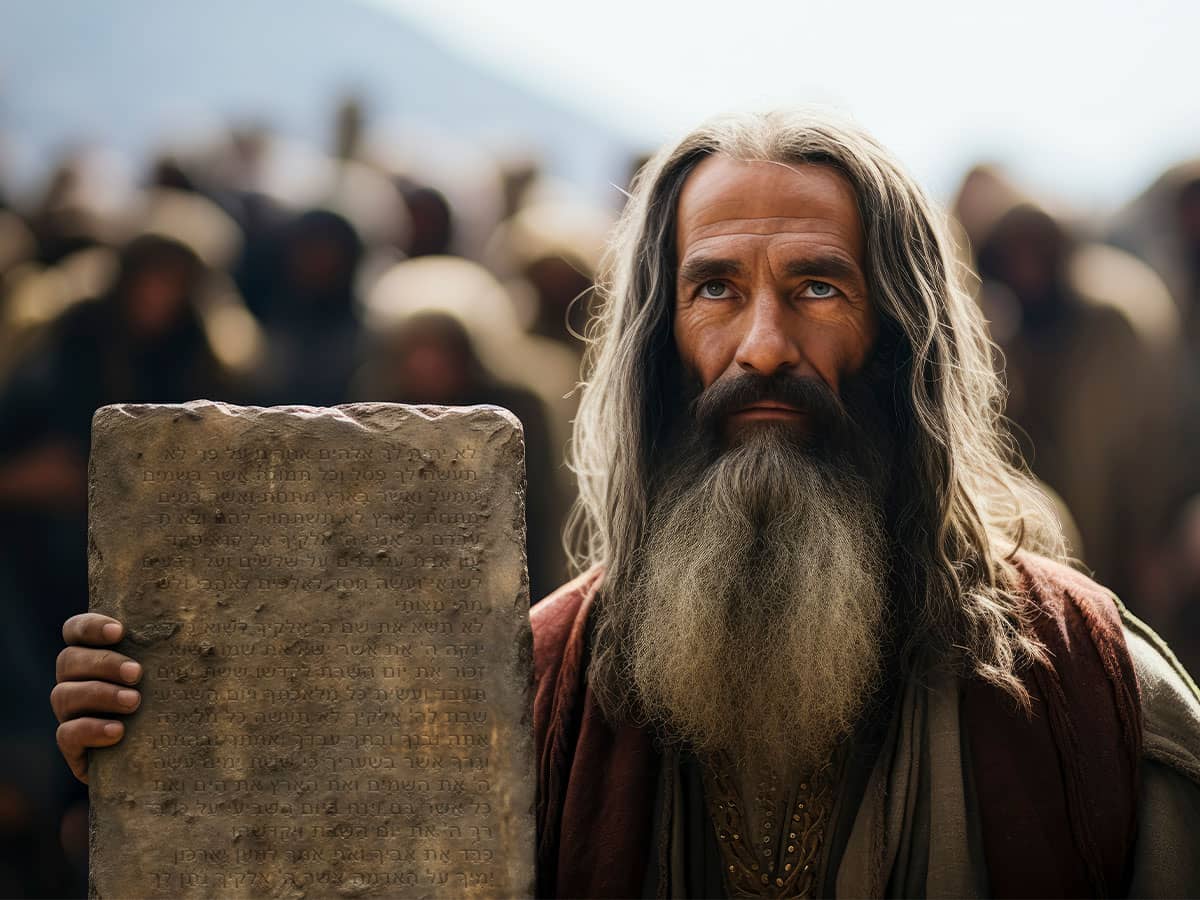
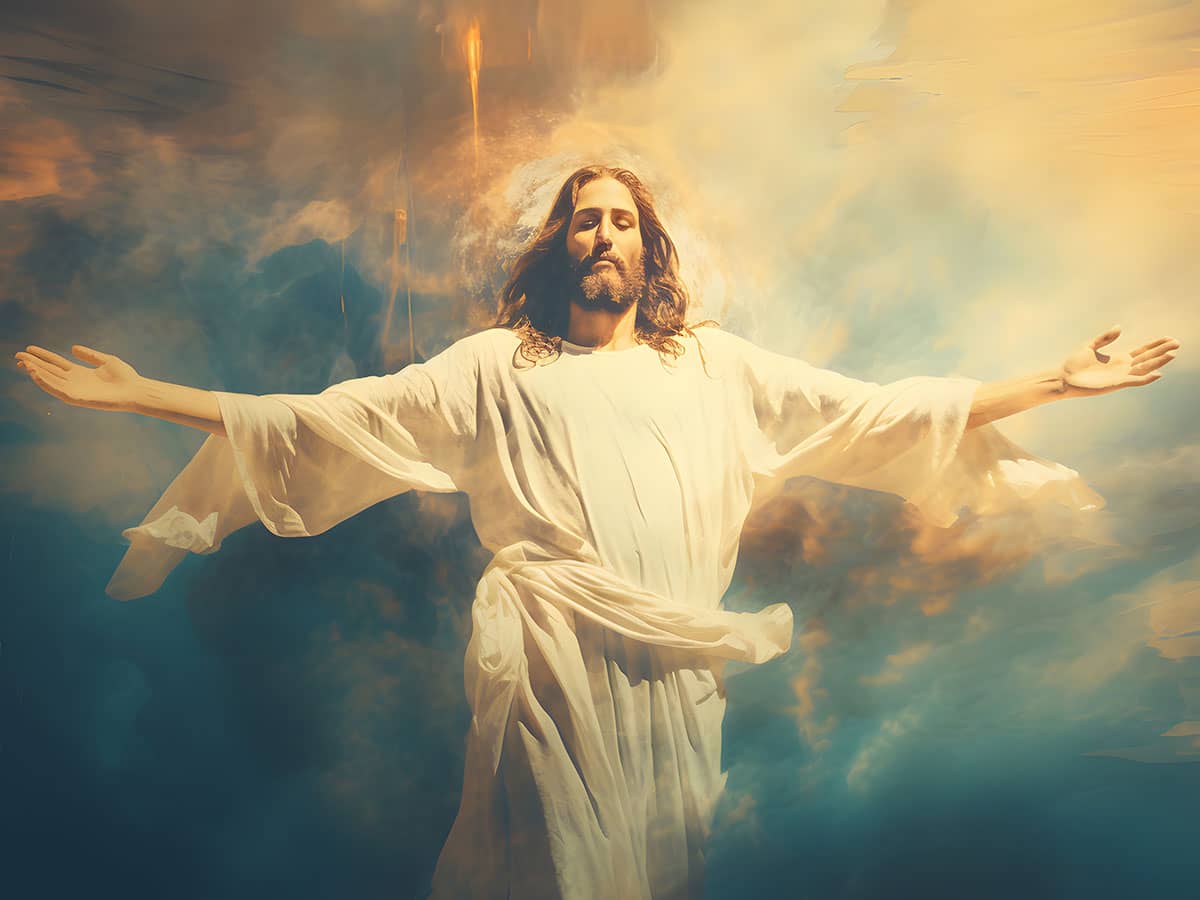
He was still young when his mother and father died and left him a fortune. As a teen-ager, Nicholas' virtue was already evident. He had heard about a family destitute and starving. The father had no money for food, much less the dowry needed to marry off his three daughters. He was ready to send his oldest girl into the streets to earn a living as a prostitute.
Under the cover of night, Nicholas threw a bag of gold coins through the window of their humble dwelling. In the morning the father discovered the gold. How he rejoiced: his family was saved, his daughter's honor preserved, and a dowry for her marriage secured. Some time after, Nicholas secretly provided a dowry for the second daughter. Still later for the third. But on the third occasion, the girls' father stood watching. As soon as the bag of gold thudded on the floor, he chased after the lad till he caught him. Nicholas was mortified to be discovered in this act of charity. He made the father promise not to tell anyone who had helped his family. Then Nicholas forsook his wealth to answer a call to the ministry.
At the nearby city of Myra a bishop supervised all the churches of the region. When the bishop died, the bishops and priests from other cities and villages--Nicholas among them--gathered to choose a successor. Nicholas was in the habit of rising very early and going to the church to pray. This morning an aged minister awaited him in the sanctuary. "Who are you, my son?" he asked.
"Nicholas the sinner," the young minister replied. "And I am your servant."
"Come with me," the old priest directed. Nicholas followed him to a room where the bishops had assembled. The elderly priest addressed the gathering. "I had a vision that the first one to enter the church in the morning should be the new bishop of Myra. Here is that man: Nicholas."
Indeed they did choose him as bishop. Nicholas was destined to lead his congregation through the worst tribulation in history.
In A.D. 303, the Roman Emperor Diocletian ordered a brutal persecution of all Christians. Those suspected of following the Lord were ordered to sacrifice to pagan gods. Nicholas and thousands of others refused. Ministers, bishops, and lay people were dragged to prison. "A vast multitude was imprisoned in every place," wrote an eyewitness. "The prisons--prepared for murders and robbers--were filled with bishops, priests, and deacons ... so there was no longer room for those condemned of crimes."
Savage tortures were unleashed on Christians all over the empire. Believers were fed to wild animals. Some were forced to fight gladiators for their lives while bloodthirsty crowds screamed for their death. Saints were beaten senseless, others set aflame while still alive.
Those who survived Diocletian's torture chambers were called "saints" or "confessors" by the people, because they didn't forsake their confession that Jesus Christ is Lord. Nicholas was one of these. Finally, after years of imprisonment, the iron doors swung open and Bishop Nicholas walked out, freed by decree of the new Emperor Constantine. As he entered his city once more, his people flocked about him. "Nicholas! Confessor!" they shouted. "Saint Nicholas has come home."
The bishop was beaten but not broken. He served Christ's people in Myra for another thirty years. Through the prayers of this tried and tested soldier of faith, many found salvation and healing. Nicholas participated in the famous Council of Nicea in 325 A.D. He died on December 6, about 343, a living legend, beloved by his whole city.
Yet if he were alive today, this saint would humbly deflect attention from himself. No fur-trimmed hat and coat, no reindeer and sleigh or North Pole workshop. As he did in life centuries ago, Bishop Nicholas would point people to his Master.
"I am Nicholas, a sinner," the old saint would say. "Nicholas, servant of Christ Jesus."
Everybody loves Santa Claus. He embodies holiday cheer, happiness, fun, and gifts—warm happy aspects of the Christmas season. How do Santa Claus and St. Nicholas differ?Santa Claus belongs to childhood;St. Nicholas models for all of life.Santa Claus, as we know him, developed to boost Christmas sales—the commercial Christmas message;
St. Nicholas told the story of Christ and peace, goodwill toward all—the hope-filled Christmas message.Santa Claus encourages consumption;
St. Nicholas encourages compassion.Santa Claus appears each year to be seen and heard for a short time;
St. Nicholas is part of the communion of , surrounding us always with prayer and example.Santa Claus flies through the air—from the North Pole;
St. Nicholas walked the earth—caring for those in need.Santa Claus, for some, replaces the Babe of Bethlehem;
St. Nicholas, for all, points to the Babe of Bethlehem.Santa Claus isn't bad;
St. Nicholas is just better.371d36d75e05eda735858f8e467be99c