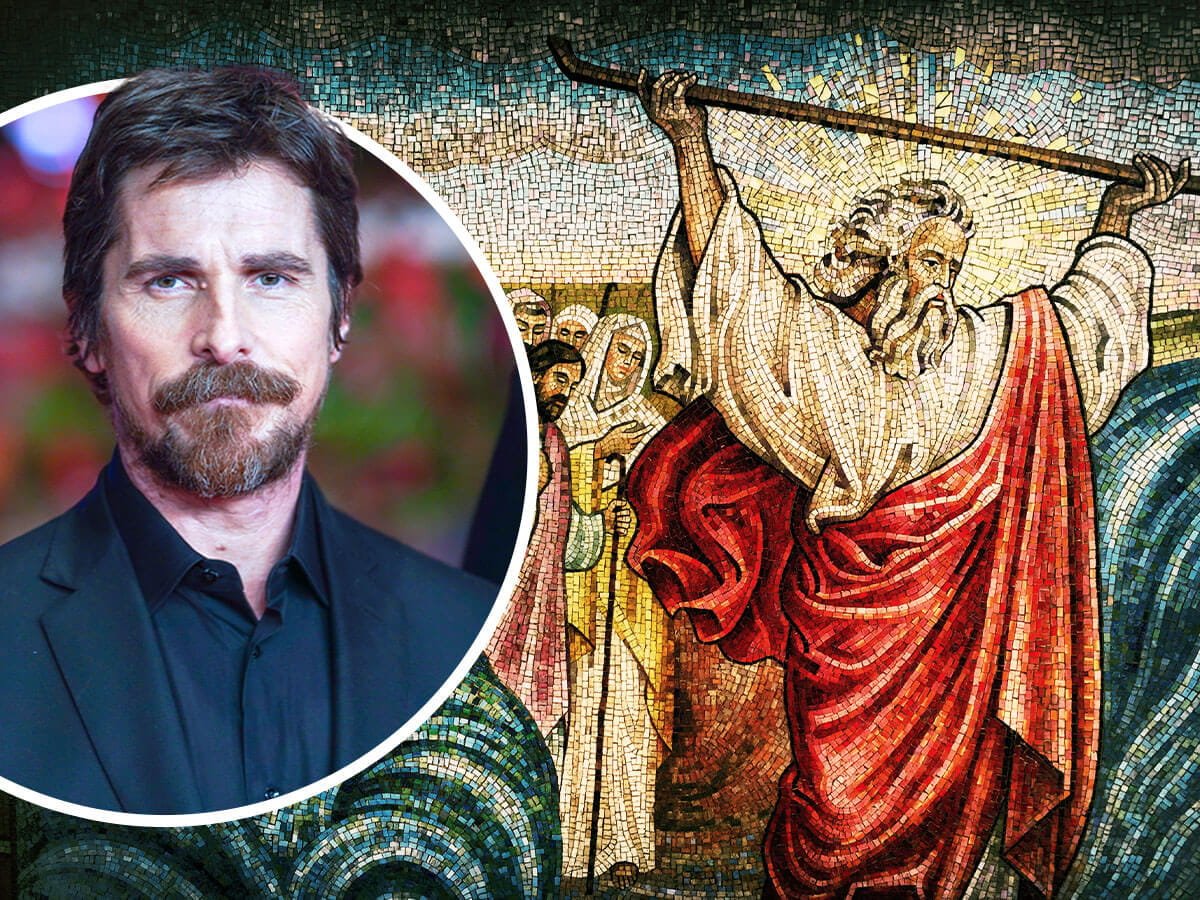
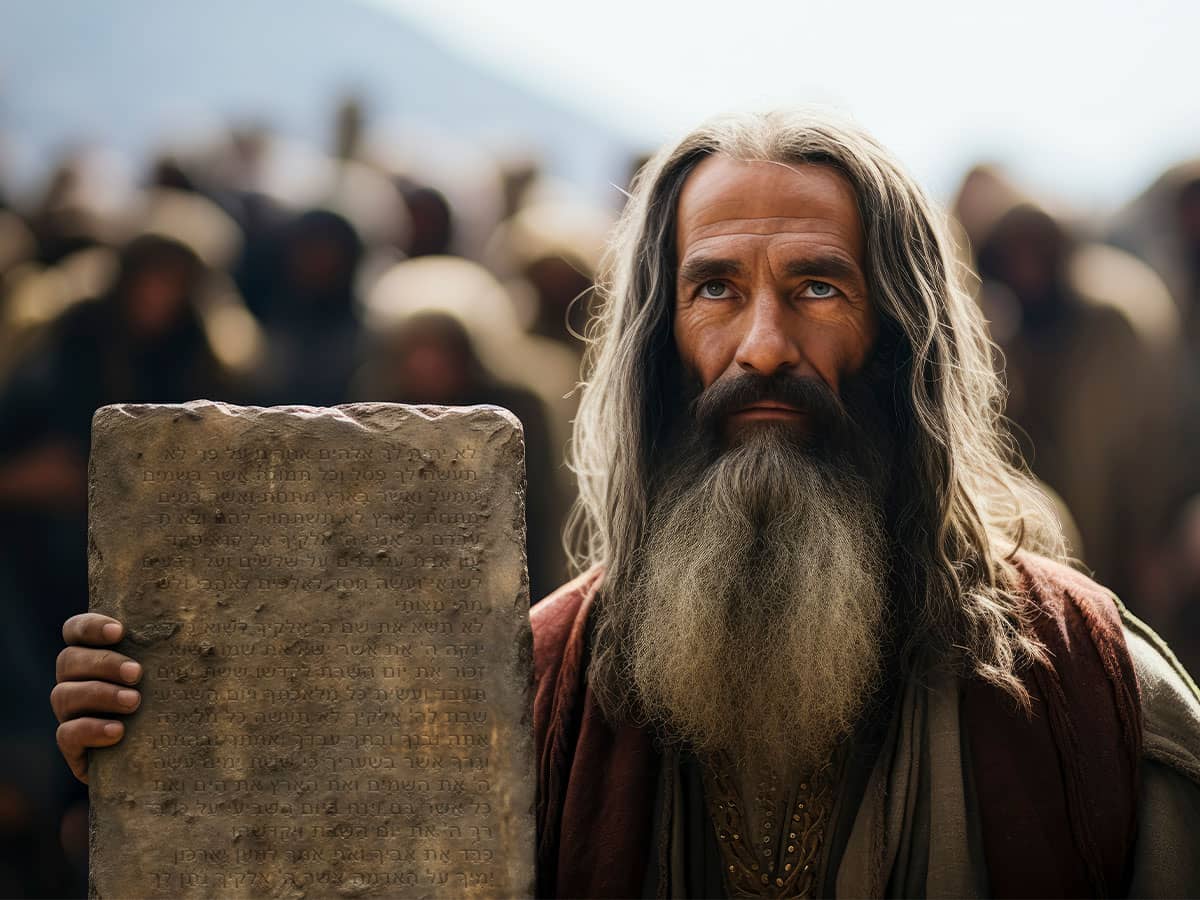
“It is customary to blame secular science and anti-religious philosophy for the eclipse of religion in modern society. It would be more honest to blame religion for its own defeats. Religion declined not because it was refuted, but because it became irrelevant, dull, oppressive, insipid. When faith is completely replaced by creed, worship by discipline, love by habit; when the crisis of today is ignored because of the splendor of the past; when faith becomes an heirloom rather than a living fountain; when religion speaks only in the name of authority rather than with the voice of compassion--its message becomes meaningless.” ~ Abraham Joshua Heschel (God in Search of Man)
My father recently joined a Facebook group called: “Dear God: If you really exist please tell Pat Robertson to SHUT THE F**K UP!” Now, my father, like me, is a very mild mannered person who rarely swears. It usually takes something fairly extreme before either of us are moved to utter a curse word. So it was quite startling to see him associated with these particular words. Before this, the most unexpected thing I’d seen him do was actually joining Facebook.
So, what was it that Pat Robertson said that had my Dad resorting to asterisks and expletives? Just this pearl of wisdom and compassion:
"Something happened a long time ago in
When Abraham Joshua Heschel wrote the passage quoted above, I doubt he had Pat Robertson in mind. But to his list of religion’s failings—“irrelevant, dull, oppressive, insipid”—we might now add ‘heartless and cruel.’ Heschel’s critique of religion is not a condemnation, but a call to action. It is a powerful critique because it is made by a deeply religious man—a rabbi raised in a family of Hasidic Jews, a mystic, and a theologian. Heschel’s point is not that religion is wrong, but the uses to which it is put by human beings are too often wrong. God caused water to flow from a rock, but the vessels of religion that we have constructed to capture that stream harden into authoritarian doctrine and the living fountain of faith is stopped up.
I have seen the video where Robertson makes these reprehensible remarks, and I have to say, I think that he truly believes that he is being compassionate. He is not filled with righteousness or hatred. He is not preaching fire and brimstone. In fact, he expresses concern and hope for the people of
I’m sure several people reading this can answer that question easily, but I want to suggest something else, as well. I think that the problem with Pat Robertson, and those like him, is that they have constructed their religion in such a way that it becomes a defense against truly experiencing the full impact, the full horror and catastrophe of events like the earthquake in
For Heschel, religion and love of God meant compassion and action. It meant being affected by the suffering of those around us and doing something about it. He was active in the Civil Rights movement and marched with Martin Luther King. Heschel believed that we should not defend ourselves from the human predicament:
“I would say about individuals, an individual dies when he ceases to be surprised. I am surprised every morning that I see the sunshine again. When I see an act of evil, I'm not accommodated. I don't accommodate myself to the violence that goes on everywhere; I'm still surprised. That's why I'm against it, why I can hope against it. We must learn how to be surprised. Not to adjust ourselves. I am the most maladjusted person in society.”
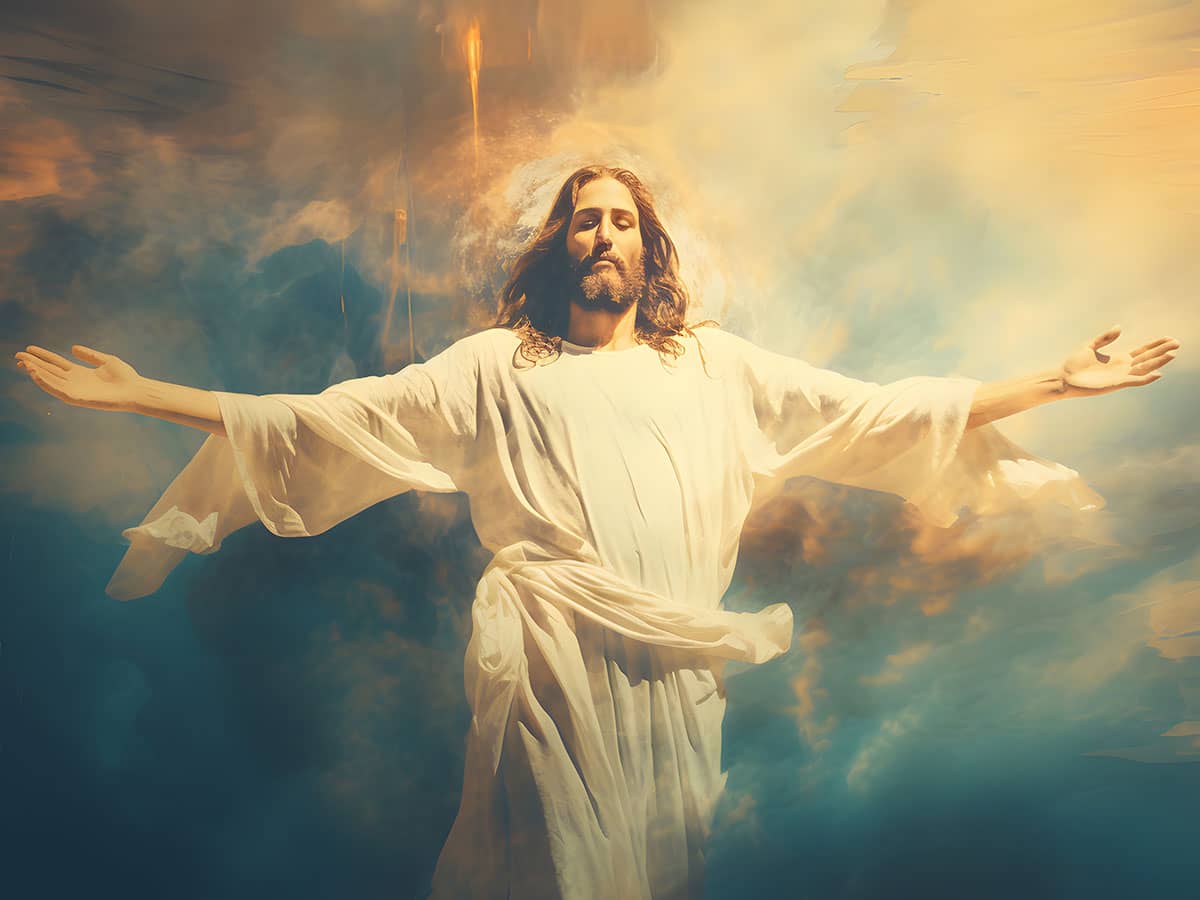
In the Christian tradition, the portrait of Jesus is one of a man who did not remain distant or aloof from human misery. We see a man who weeps in the face of death, who reaches out his healing touch to the sick and needy, who responds to those who seek him out honestly with love and compassion. He saves his condemnation for the scribes and Pharisees, those religious leaders who rigidly hold to the form of religion, but have lost its spirit. To others, the so-called sinners, as in the story of the adulterous woman, he speaks with tolerance, forgiveness, and acceptance.
How different is this portrait than the one painted by Pat Robertson! I suppose that if you conceive of an event like the earthquake in Haiti as God’s punishment, then you can’t feel too sorry the victims because that would be to question God, to doubt both his mercy and his justice. But to experience doubt about God in the face of such a tragedy is an honest response. And maybe it’s against that kind of doubt that Robertson’s version of religion is ultimately defended against. It is uncomfortable to consider where a loving God is in all of this and how he could let such devastation occur to a poor and defenseless people. It is hard not to feel that the Haitians have been abandoned by God. And if them, then all of us.
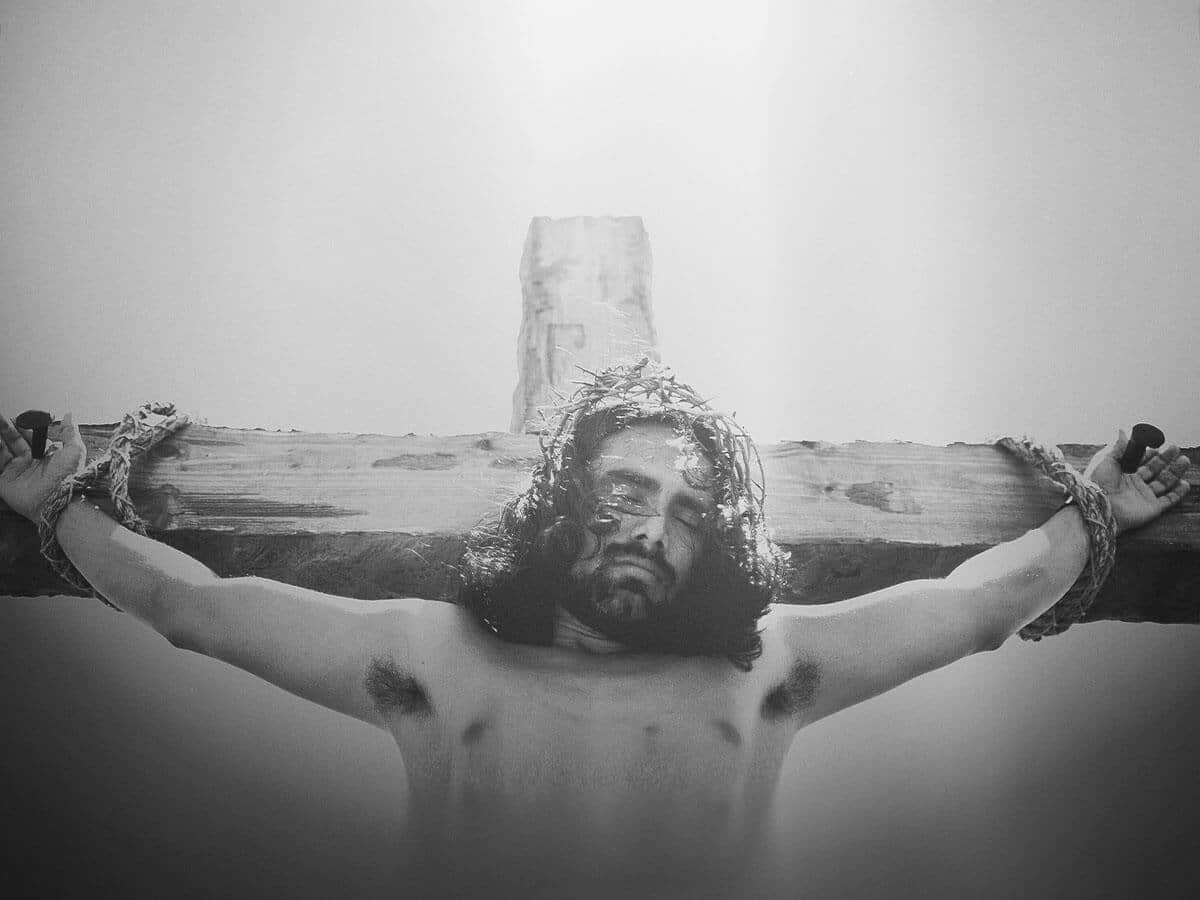
I believe a truly religious attitude must be willing to undergo the painful feelings of doubt and abandonment. To allow such a feeling is to share in an experience that has been sanctified, in the Christian tradition, by Jesus’ own encounter with suffering. In the unspeakable torment of his crucifixion, he confronts the terrifying possibility that he has been abandoned by God, and cries out the opening words of the 22nd Psalm: “My God, my God, why have you forsaken me?”
It is by allowing thoughts like these, as Jesus did, that we prevent ourselves from offering facile and merciless explanations for occasions of suffering, such as that offered by Pat Robertson for
The New Testament offers this assessment of religion: “If any think they are religious, and do not bridle their tongues but deceive their hearts, their religion is worthless. Religion that is pure and undefiled before God, the Father, is this: to care for orphans and widows in their distress, and to keep oneself unstained by the world.” (James 1:26-27).
Today
If Pat Robertson cannot open himself to this vision of the human spirit, so beautifully exemplified in the life of Jesus and in the words of Abraham Joshua Heschel, then he should just shut the fuck up.