Inspiration
Faith & Prayer
Health &
Wellness
Entertainment
Love &
Family
Newsletters
Special Offers
Adobe Stock
Adobe Stock
4 Myths About Marriage That Aren't Biblical
Biblical marriage mirrors the marriage of Jesus to His church.
Beliefnet
8 Celebrities That Went Against Their Christian Beliefs
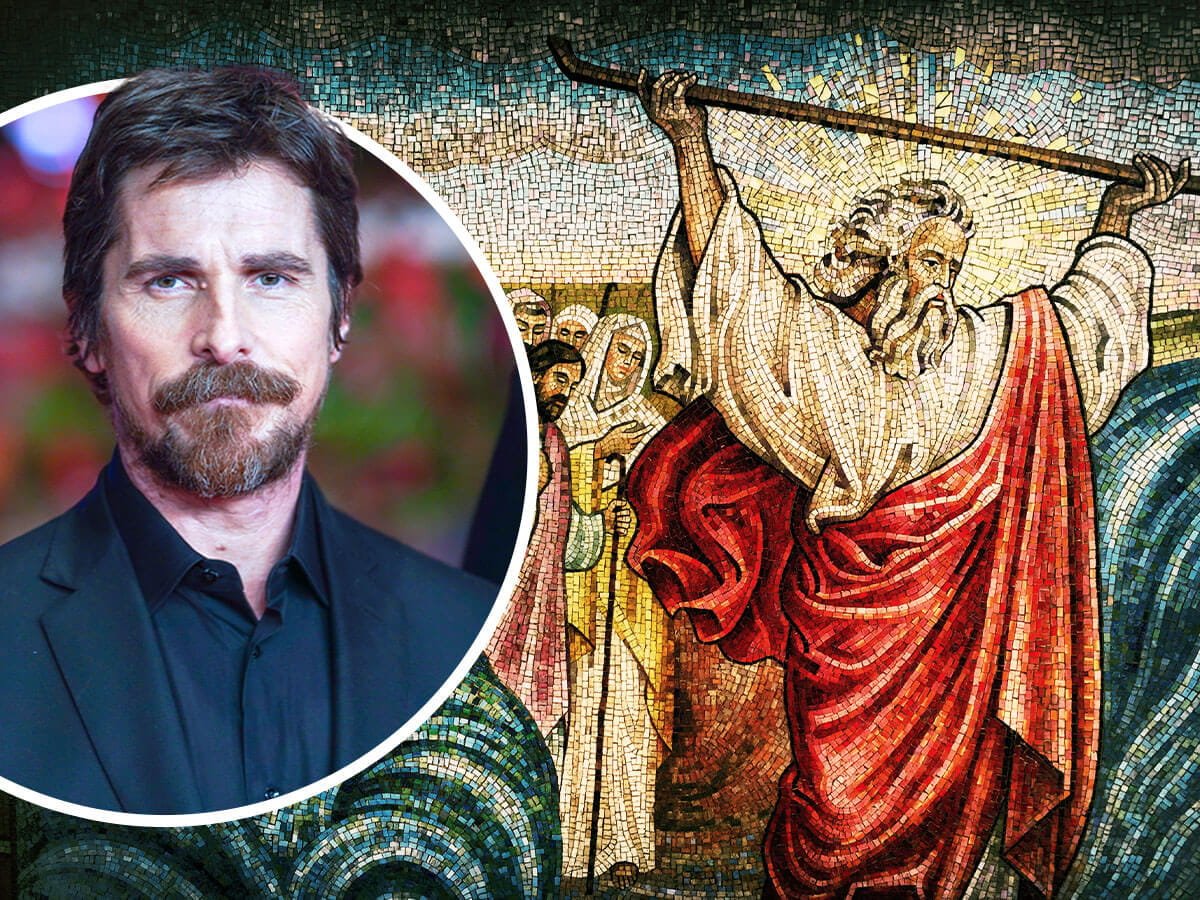
Was Moses a Schizophrenic? Christian Bale’s Comments...
8 Things You Shouldn't Do During Cold and Flu Season
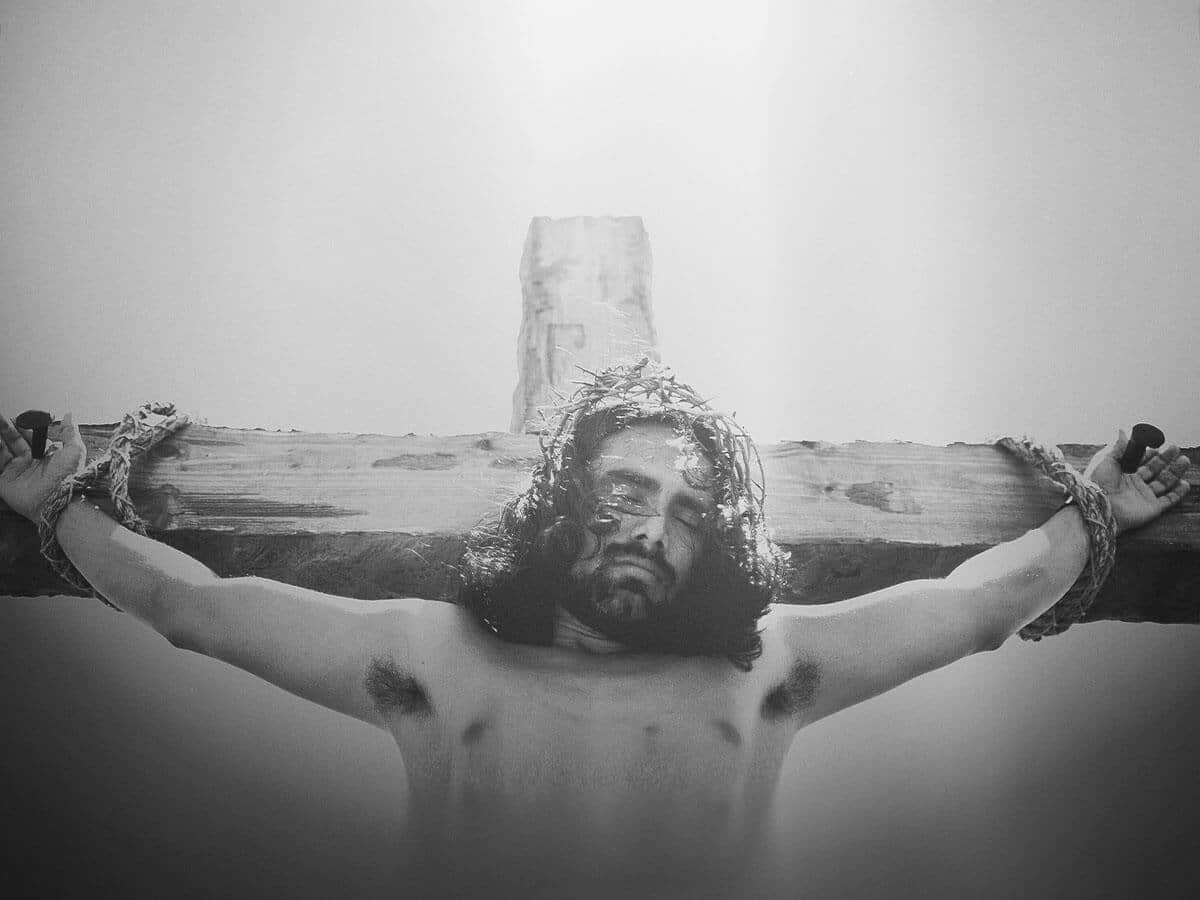
How Old Was Jesus When He Was Crucified?
Will All Christians Experience the Judgment Seat of...
5 Warning Signs You Are Drifting From God
How Did Moses Write Deuteronomy if it Records His Death?
Why Are Jesus' Genealogies in Matthew and Luke so...
8 Bands You Didn’t Realize Were Christian
Why Did God Pick Israel to Be His Chosen People?
Beliefnet Editor
Beliefnet
Beliefnet is a lifestyle website providing feature editorial content around the topics of inspiration, spirituality, health, wellness, love and family, news and entertainment.
Close Ad