Post Reply
Page 2 of 2  •  Prev 1 2
Switch to Forum Live View Difference between Evangelicial and Charismatic Christianity
4 years ago  ::  Jan 25, 2009 - 1:58PM #11
Anesis
Posts: 1,533
Hi, Semachiah, and welcome.

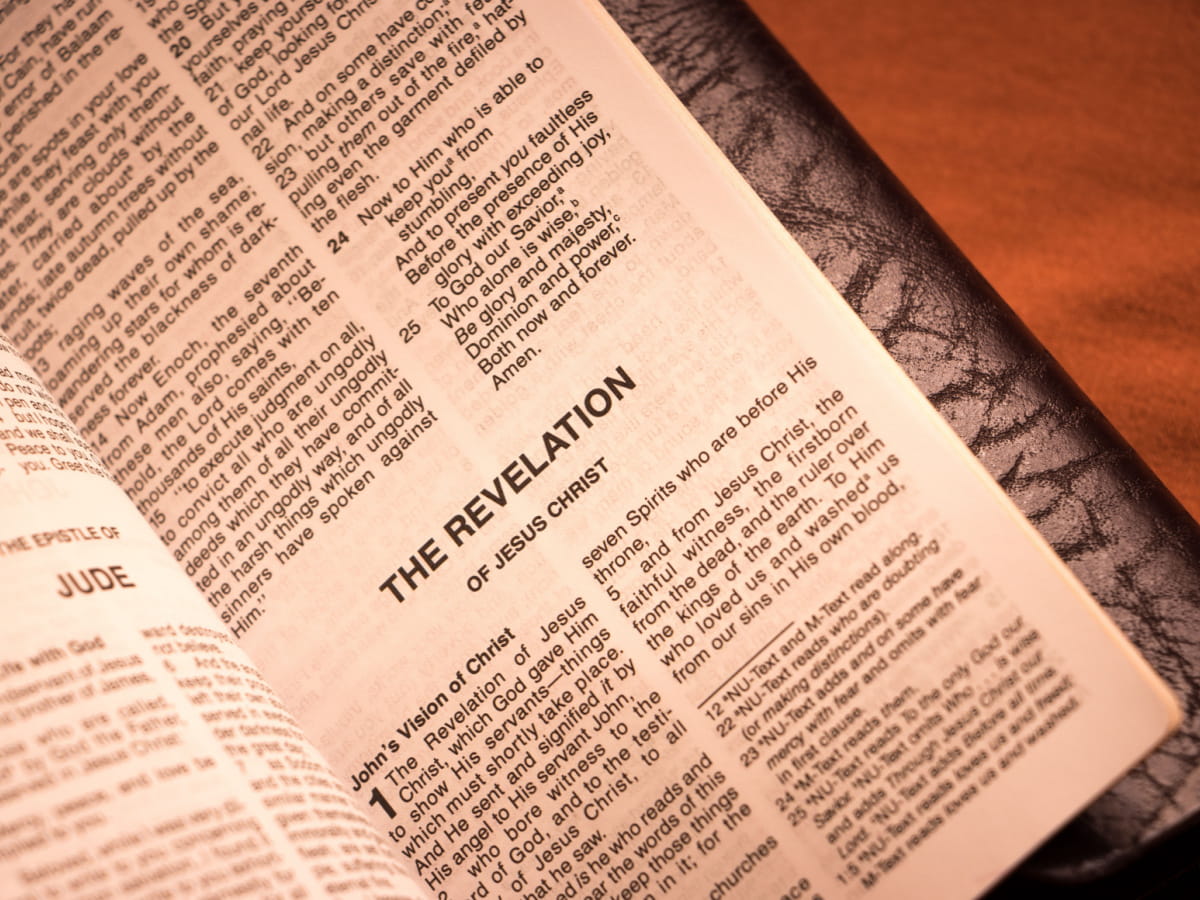
Are you familiar with the Evangelical Manifesto? It gives a pretty clear and concise definition of what it is to be Evangelical. We are defined theologically, and that is based on a literal interpretation of the Bible (of course, taking it into context, such as the metaphors in parables, etc). There is more to it than just being born again, as there are many denominations who believe in being born again, who are not Evangelical.

You are right on about what it is to be Charismatic, and those who are Charismatic are not necessarily of one particular denomination. I have heard of Charismatic Roman Catholics as well as Charismatic protestants.

One of the ways I like to describe the denominations is using the BoC. If we are all part of one Body, not all denominations can be the hands. Some are feet, some are legs, some are toes, some are shoulders, etc. I think the same can be said of those within a certain church - we all have our various gifts and talents and skills, and they all work together for the good of the Kingdom.

Blessings to you.

Anesis
Beliefnet Community Host
Welcome: Evangelical Christianity
Quick Reply
Cancel
4 years ago  ::  Jan 27, 2009 - 1:31PM #12
Goyboy
Posts: 232

Nightshade_poppet wrote:

Why do you think there are so many denominations of Christianity? Is denomination important? If so, what makes one denomination 'better' than the other?


Regarding the divisions within Christianity, these originated for various reasons.

1) Someone sought power. The first major split occurred when the patriarch of Rome declared that he had authority over all other patriarchs. The other patriarchs disagreed. In 1054 C.E. the patriarch of Rome and his followers separated themselves from other Christians and formed what is today called the Catholic Church. The patriarch of Rome is called the Pope.

2) Someone engaged in racial discrimination. In the USA the African Methodist-Episcopalian church was started because Methodists of African ancestry were not welcome in white congregations. The Southern Baptist Convention was started because white people in the southern USA did not want to stop enslaving black people in order to become foreign missionaries. In short, southern Baptists refused to acknowledge that black people are created in the image of God as stated in the first chapter of Genesis.

3) Someone engaged in class discrimination. The Salvation Army originally was a evangelistic society. However the Salvation Army was forced to become a denomination in order to give a church home to residents of London's East End. In the 19th Century, the poorest people of London lived in the East End. The wealthier people of London did not want to associate with the inhabitants of the East End. Thus the poor people were not welcome in the churches of the wealthy people.

4) Someone had a theological disagreement with a previously established denomination. The Reformation was started by Martin Luther because of several theological disagreements with the Catholic Church. From the Reformation sprung the Protestant churches.

5) Someone wanted something that a church wasn't willing to give. The Church of England split from the Catholic Church just because England's King Henry VIII wanted his marriage annulled and the Pope refused to grant an annulment. This reason is akin to reason #1.

6) A need was not being met. In Scotland, for example, the people of that nation had rejected Catholicism, but there was no Protestant church available to them. Thus, Presbyterian churches were begun.

As for the importance of denominations, the Christian faith does not require a person to be a member of a denomination. 

In order to judge which denomination is "better", one must first have a standard to compare denominations to.  If that standard is theological perfection, then no denomination is better, because there is no such thing as a perfect denomination.  Each has its flaws.   

Nightshade_poppet wrote:

How do you interpret the Bible, literally, metaphorically or both?


Proper Bible interpretation requires that the books and stories of the Bible be interpreted within their historical and cultural context.  Indeed, the Bible has stories that are to be interpreted literally, such as the accounts of the death, burial and resurrection of Jesus.

Quick Reply
Cancel
Page 2 of 2  •  Prev 1 2
 
    Viewing this thread :: 0 registered and 1 guest
    No registered users viewing
    Advertisement

    Beliefnet On Facebook