I believe in all things seen and unseen. The Nicene Creed.
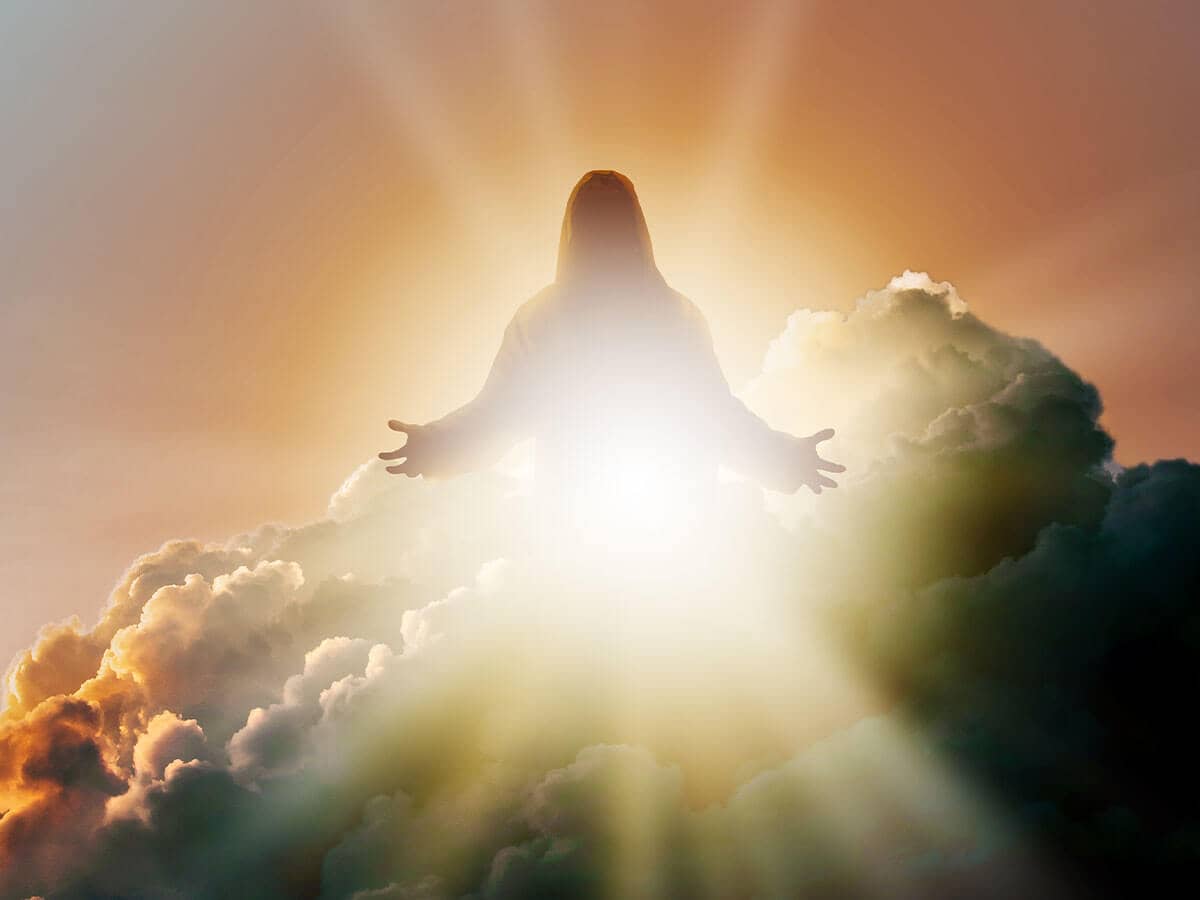
During the first and second Ecumenical Councils of the ancient Church, the Nicene Creed was composed. The Nicene Creed appeared in the early to mid-4th century CE. A line from the Creed, "I believe in all things seen and unseen," is the topic of this post.
Pan ahead hundreds of years to the late 1950's. My family piled into its '58 Chevy Biscayne coupe headed to a drive-in movie. Mom and Dad took the front seats, and the three kids were restless in the back seat. I remember the topic of conversation turned to God. Not sure about exactly what we discussed, my Dad posed a question that left a lasting impression on me.
"Eddie," he asked, "how can you be sure that God exists?" The question hit me hard. I felt sick all of sudden, like someone punched my stomach full force. The wind was knocked out of me, and I remember stuttering something. Soon my Mom came to my aid. My father did not pursue the question, but I remember that family outing to a drive-in theatre as the first time that I experienced doubt concerning God and unseen things.
Doubt might well be the opposite of belief. For example, doubt--as antonym of belief--accompanies what the Apostle Thomas voiced about the Resurrection of Jesus Christ. Seeing is believing--to paraphrase Thomas (John
But I have grown to respect my doubts. Doubts are necessary for me to walk by faith in relationship to the Holy Trinity. When asked now about what the "unseen things" of the Creed are, I usually answer that they are my doubts. I cannot see my doubts, but I believe they exist.
Plunging into action, even with doubts unresolved, reflects courage and at least a modicum of faith. If one does something with doubt, especially if the outcome is favorable, then faith grows stronger. Take the Baptism of infants as an example.
When a priest of Christ plunged my infant body into the waters of Baptism, even he might have had doubts that I might aspirate water in the split-second my head was beneath water. It never happened before that an infant aspirated, but what if it happened that day? Watch a baptismal party sometime. If immersion of the infant is required, you may notice there are faint gasps among adults assembled for the Baptism that later turn into sighs of relief after the baby emerges from beneath the water.
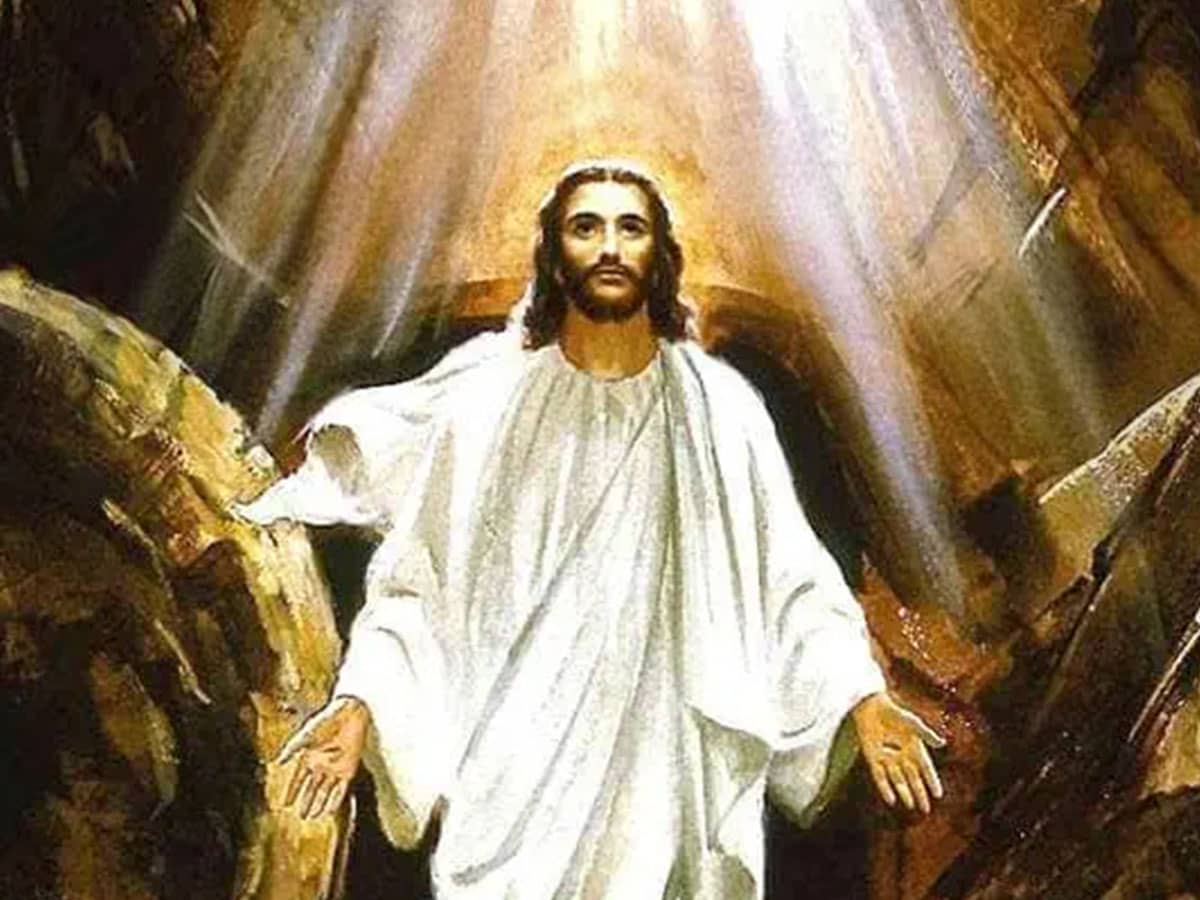
Born out of the water of Baptism, an eternal life in Christ begins. New life is unseen, just the same. Christians take note of things seen and unseen. Sometimes it happens that we doubt even what is right before our eyes. The disciples of Jesus--no doubt--doubted the Resurrected Christ.
The Gospel narratives of Christ's Resurrection are evidence that Christ anticipated doubts about things seen and unseen when it came to experience with the Word of God made flesh. Consider these reflections from Homily 71 of His Holiness Leo the Great of Rome [On the Lord's Resurrection-I]: "For to this end He [Christ Jesus] entered when the doors were closed upon the disciples and gave them the Holy Spirit by breathing on them, and after giving them the light of understanding opened the secrets of the Holy Scriptures, and again Himself showed them the wound in the side, the prints of the nails, and all the marks of His most recent Passion, whereby it might be acknowledged that in Him the properties of the divine and human nature remained undivided, and we might in such sort know that the Word was not what the flesh is, as to confess God's only Son to be both Word and flesh" [section III, Homily 71].
Doubt goes hand-in-glove with Faith in Christ, because the divine and human nature of Christ remain undivided. We see the Word disclosing the flesh, and we see the flesh of Jesus disclosing our Lord Christ. But seeing the undivided nature of Christ one time only may not quell our doubts.
Repeated exposure to the Resurrected Christ among the close circle of Christ's disicples was necessary to re-confirm in Faith what the five senses, alone, failed to convince. We profess, in other words, "...all that is seen and unseen."
Blessed are those who have not seen and yet believe, said Jesus to Thomas days after the Resurrection, for their happiness does not require repeated confirmation by the five senses. Instead, the blessed are satisfied in Faith for they "...believe in all that is seen and unseen."