html_removed html_removed html_removed html_removed
My new book Correcting Jesus: 2000 Years of Changing the Story has appeared on some major bookseller websites, so I want to post something to explain it.
The reason I wrote this book is fairly simple. I grew up going to church in Texas, during the Black Civil Rights movement and the Viet Nam war. And ever since then I’ve pondered the contradictory messages of Christian tradition—concerning basic subjects like women, freedom, violence, nationalism, property, forgiveness, or compassion. In this book I try to trace events over the past 2,000 years, to show how Christian values or ideals have repeatedly changed—sometimes to the point of reversing earlier principles. My method is to compare New Testament accounts with the history of the later church. I try to note the differences, describe how various changes arose, and show their impact on world history. As a basically secular historian, I don’t assume the New Testament accounts are perfect or free from contradictions. I just compare what the various records say, as if I was comparing a human-made national constitution with the record of a human-run government.
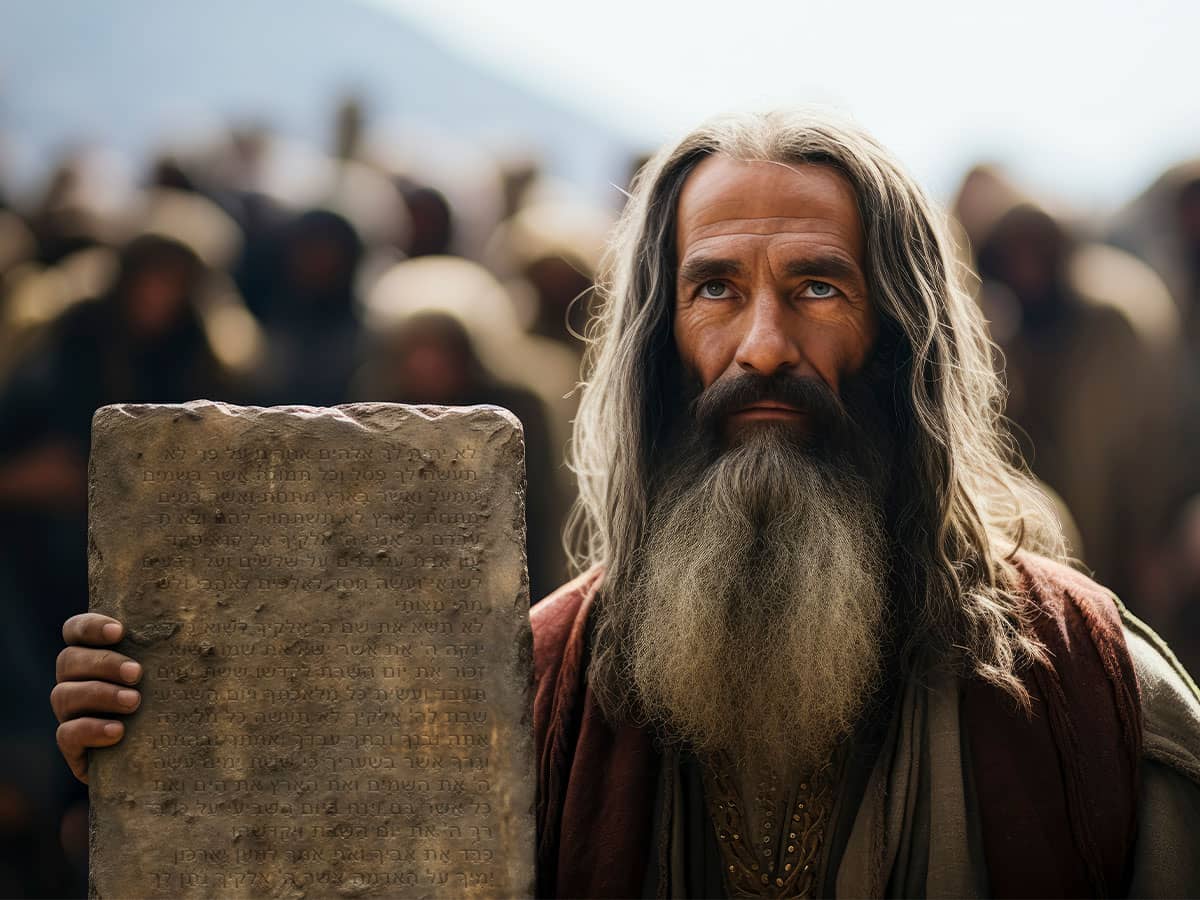
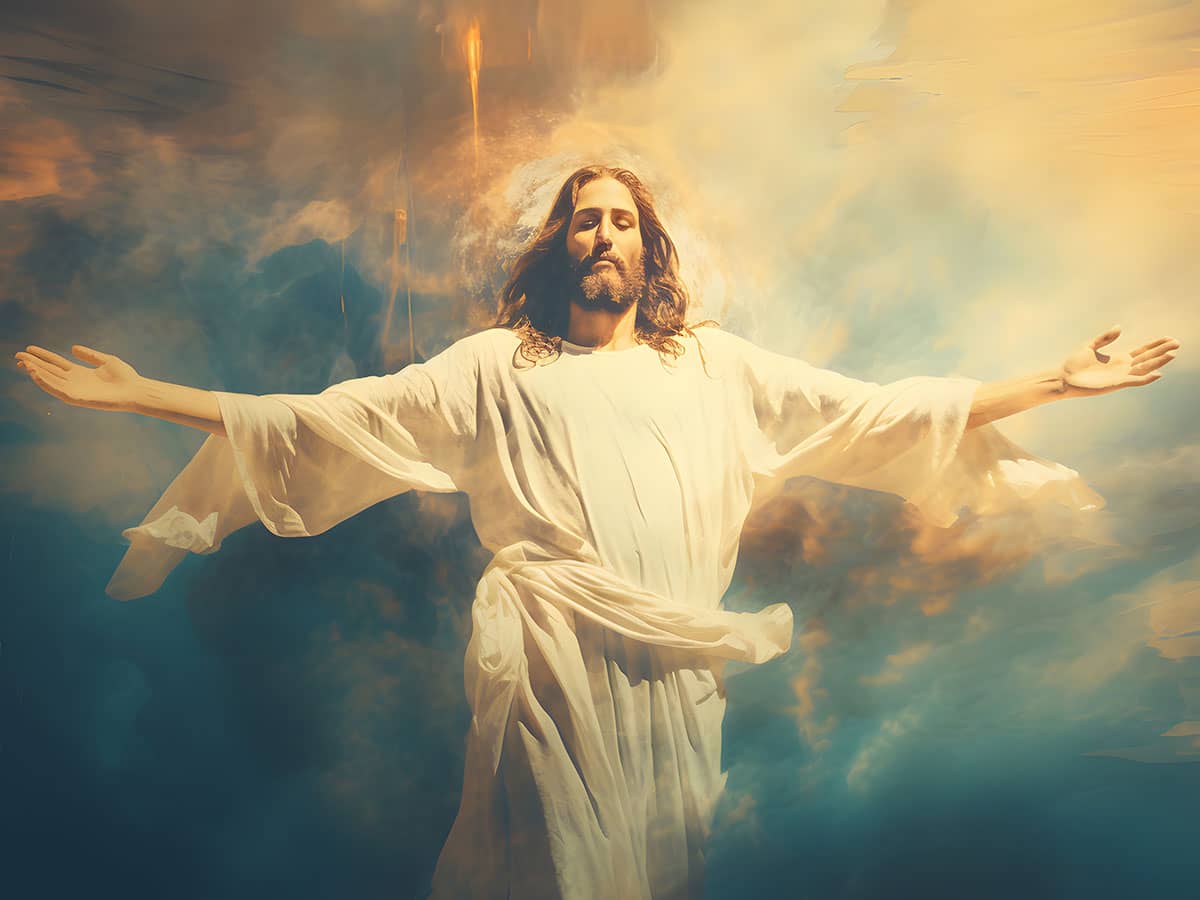
The first subject I explore is Christianity’s relation to Judaism. I try to show how the early church changed from promoting, to rejecting Jesus’ own Jewish religion. I describe how the church switched loyalties—from Jewish-style resentment of Israel’s colonial conquerors, to Gentile-Christian patriotism for the Empire. I show how the Christian story changed almost beyond recognition, as non-Jewish converts altered Jesus’ identity, from a Jewish prophet into a Gentile-style deity. Last, I run through the history of demonization towards Jews and other religious minorities, which has disfigured Christian society down to this century.
The second topic is Christianity's message of forgiveness, which has varied from proclaiming “every sin will be forgiven,” to insisting that many wrongs will never be forgiven for all eternity. I look at how early churches moved from welcoming drunkards and prostitutes, to expelling people who endangered the movement's reputation. I explain how the stories of Jesus’ life and teachings on forgiveness were increasingly eclipsed by a growing legend of his “Second Coming,” in which he would return on Armageddon Day to destroy all sinners, and reward those who had zero-tolerance for sin. I follow centuries-long tug-of-war for Christianity’s soul between mercy and Pharisaic legalism, which continues full-throttle in modern North America.
Third, the book turns to women. I examine the roles of women in New Testament accounts, and then the rising backlash to re-impose all ancient Middle Eastern restrictions on females. The story involves an accumulating mass of church council decrees, which became a new holy law for women. I show how the church imposed a Middle Eastern-style sexual segregation on medieval Europe, a mass divorce of all wives and children by the Latin Church clergy in 1074, and a later purge of female leaders in the witch hunts. Last, I show how a revival of female leadership has re-kindled some of the early church’s passion for care and service, in Christian communities around the world.
The fourth main topic is freedom and equality. I ask what Christianity has taught about freedom, and find the answers have been all over the moral map. I try to trace the first efforts towards order and discipline in church communities, and how these experiments with community government lead to a top-down structure. I explore the struggles over freedom in the churches, in which Augustine prevailed with a doctrine that sinners were incapable of choosing their own leaders. I explore the consequences of this doctrine in a medieval church which was dogmatically opposed to human freedom. For example, by the French Revolution, when seemingly anti-Christian godless revolutionaries proclaimed their slogan of “Liberty, Fraternity, Equality,” both the revolutionaries and their Christian enemies believed that this slogan was diametrically opposed to everything Christianity ever stood for. I try to describe this struggle over freedom over recent centuries through the anti-slavery movements, the fascist-Christian backlash against “rule by the godless rabble,” and the modern wave of church-supported movements for democracy around the world.
Concerning violence, I give a step by step story in which the Christian movement shifted from proudly practicing pacifism, to tolerating violence as a necessary sin, and finally to praising violence as God’s will. By medieval times, the holy violence against non-Christian foreigners also turned against “disloyal” parishioners within Christendom. This history of Christian violence includes the whole colonial age, the rise of non-violent protest for social justice, and the present voices for a final holy war.
The book’s last topic is “correcting compassion”. Here I note the New Testament appeals for compassionate charity towards people in need, even to the ridiculous extent of urging people to “give away all that you have.” But I also record the growing logic among Christians that charity is counterproductive, because, as Christian Reconstructionist Gary North said recently, “subsidizing sluggards is the same as subsidizing evil.” The chapter shows how early ideals for communal living led to the great monastic movements. But at the same time, notions of collective property-sharing in the wider society were increasingly labeled a satanic heresy. I investigate a centuries-long development in which esteem for “holy poverty” gave way to a full-blown “gospel of wealth.” I show the worldwide extent of struggle among Christians over whether compassion is a key to a better future, or a counterproductive relic of the religious past.
Through all these stories, I try to offer more ways for evaluating what has been helpful or hurtful in our religious traditions. By showing the social results of so many religious movements, I hope to make the track-records of various conflicting ideas clearer. I also hope that some of my Muslim or Jewish friends will write corresponding books to help show the similar level of tampering and revision in Islamic or Jewish history.